 Alastic
Best Before vs Use By: How to Read Food Dates
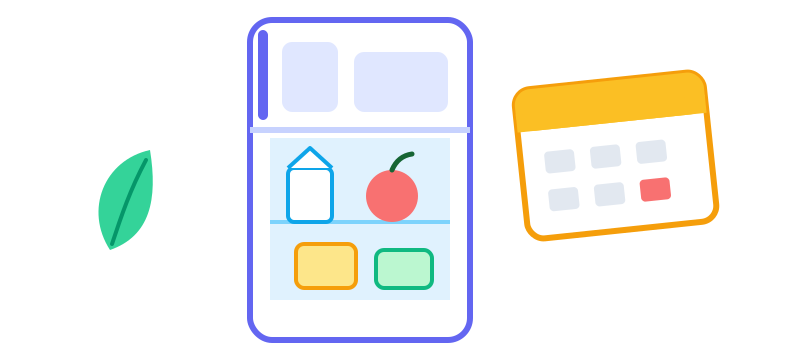
A surprising amount of food gets thrown away because of a date printed on the package. Some of it was perfectly fine, and some of it should have been eaten days earlier. The difference comes down to knowing what the label is actually telling you.
"Use by" is about safety
A use-by date appears on foods that spoil quickly and can make you ill, such as fresh meat, fish, ready meals and some dairy. Treat it as a hard limit. Do not eat the food after that date, even if it looks and smells fine, because the bacteria that make you sick do not always change how food smells.
"Best before" is about quality
A best-before date appears on longer-lasting foods like pasta, rice, biscuits, canned goods and many sauces. After the date, the food may lose some flavour or texture, but it is usually still safe if the package is undamaged and stored properly. Look at it, smell it, and taste a small amount before deciding. Do not eat canned food from a swollen or badly dented can.
The label changes once you open it
Dates assume an unopened package. Once opened, many products have a shorter life, and the label often says so, for example "consume within 3 days of opening". Write the opening date on the package with a marker so you do not have to remember.
Fridge and freezer settings
- Keep the fridge at 4°C or below. A cheap fridge thermometer is worth having, because the dial setting is often inaccurate.
- Keep the freezer at −18°C. Food stays safe at that temperature, though quality slowly drops over months.
- Do not overfill the fridge. Cold air needs room to circulate.
- Let hot food cool a little, then refrigerate within two hours.
How long do leftovers last?
A common guideline is to eat cooked leftovers within three to four days if they are kept in the fridge. Reheat them until steaming hot all the way through. Rice deserves special care: cool it quickly, refrigerate it soon after cooking, and eat it within a day, since a bacterium that survives cooking can multiply in rice left at room temperature.
Use the freezer as a pause button
Bread, cooked meals, chopped herbs and meat all freeze well. Freeze food before its use-by date, not on the last day, and label it with the contents and the date. Thaw in the fridge overnight rather than on the counter.
Habits that reduce waste
- First in, first out. Put newer items at the back and older ones at the front.
- Keep a "eat me first" shelf for anything close to its date.
- Check before you shop. Look in the fridge and pantry before writing a list.
- Plan two or three meals around what needs using up.
- Buy smaller amounts of fresh items you do not use quickly.
None of this needs to be complicated. If you remember one rule, make it this: a use-by date is a safety limit, and a best-before date is a quality guide.
More guides
How Often Should You Water Houseplants?
Why a fixed watering schedule fails, how to check whether a plant is thirsty, and the signs of too much or too little water.
How to Find and Cancel Subscriptions You Forgot About
A step-by-step way to find recurring charges across your bank, cards and app stores, decide what to keep, and stop surprise renewals.
Thermal Printers for Receipts and Labels: A Practical Guide
How thermal printing works, 58 mm versus 80 mm paper, Bluetooth versus USB, and fixes for faint, garbled or missing prints.